Why Wheel Sealants Are Worth Using
Your wheels are exposed to some of the harshest conditions on any vehicle. Every drive leaves behind brake dust, road grime, iron fallout, tar and other contaminants that gradually dull the finish and make routine cleaning more demanding. While regular washing removes much of this contamination, applying a dedicated wheel sealant helps prevent it from bonding as firmly to the surface, making future maintenance significantly easier.
Whether you drive a daily commuter, a performance car or a weekend show vehicle, protecting your alloy wheels is one of the simplest ways to preserve their appearance. A quality wheel sealant creates a durable barrier that repels water, reduces contamination build-up and helps maintain a cleaner, glossier finish between washes.
Modern wheel protection products are available in several forms, including traditional wheel sealants and ceramic-based coatings. Both are designed to improve durability, simplify maintenance and protect wheel finishes from the constant exposure to heat, brake dust and environmental contamination.
Brake Dust Never Stops Building Up
Every time you apply the brakes, tiny metallic particles are released from the brake pads and discs. These particles settle onto the wheels, where heat and moisture cause them to cling tightly to the surface. Left untreated, brake dust gradually becomes more difficult to remove and can leave wheels looking dull, stained and neglected.
A dedicated wheel sealant helps prevent brake dust from bonding directly to the wheel finish. Instead, contamination sits on top of the protective layer, allowing it to be removed far more easily during routine washing.
This not only keeps your wheels looking cleaner for longer but also reduces the amount of scrubbing needed, helping preserve delicate painted, powder-coated and diamond-cut finishes.
Protecting Your Wheels Makes Cleaning Easier
One of the biggest advantages of using a wheel sealant is the reduction in maintenance. Protected wheels release dirt, brake dust and road grime much more easily than unprotected surfaces, allowing you to spend less time cleaning while achieving better results.
Because contamination doesn't bond as firmly, routine washes often require less agitation and fewer aggressive cleaning products. This creates a safer cleaning process while helping maintain the original finish of your wheels over time.
Many enthusiasts find that once they've experienced protected wheels, they never want to return to cleaning unprotected alloys again.
Wheel Sealant or Ceramic Wheel Coating?
Both wheel sealants and ceramic wheel coatings are designed to protect alloy wheels, but they suit slightly different maintenance routines. Traditional wheel sealants are quick to apply, easy to maintain and provide excellent protection against brake dust, water and everyday road grime.
Ceramic wheel coatings generally offer greater durability and stronger chemical resistance, making them a popular choice for drivers seeking longer-lasting protection. While coatings often require more preparation during application, both options make future cleaning easier and help preserve the appearance of your wheels.
The best choice depends on how you maintain your vehicle, how often you wash it and the level of long-term protection you're looking for.
Designed to Withstand High Temperatures
Unlike paintwork, wheels are constantly exposed to high temperatures generated by the braking system. During spirited driving or extended journeys, wheel surfaces can become extremely hot, placing significant demands on any protective product.
Quality wheel sealants are formulated to cope with these conditions while continuing to repel water, resist contamination and maintain gloss. Choosing protection specifically developed for wheels provides better long-term performance than relying solely on paint protection products.
Preparation Is the Key to Long-Lasting Protection
The performance of any wheel sealant depends heavily on how well the surface has been prepared beforehand. Applying protection over embedded brake dust, tar or iron fallout limits its ability to bond effectively and reduces its overall durability.
For the best results, begin by cleaning your wheels thoroughly with a dedicated wheel cleaner. Where necessary, follow with products from our Decontamination collection to remove iron fallout and stubborn bonded contamination before applying your chosen wheel protection.
A properly prepared surface allows the sealant to form a stronger bond, resulting in improved durability, better water repellency and easier future maintenance.
Protect Your Investment
Modern alloy wheels are a significant investment, whether they're factory-fitted, refurbished or aftermarket upgrades. Protecting them with a dedicated wheel sealant helps preserve their appearance by reducing staining, preventing heavy contamination build-up and maintaining a cleaner finish between washes.
Routine protection also reduces long-term wear caused by repeated aggressive cleaning, helping painted, powder-coated and diamond-cut finishes retain their appearance for longer.
With regular maintenance and quality protection, your wheels stay cleaner, glossier and easier to care for throughout every season.
Wheel Protection Throughout the Seasons
Your wheels experience different challenges depending on the time of year. Winter introduces road salt, moisture and heavy grime, while spring and summer often bring increased brake dust, dry road dust and tar contamination.
Applying a wheel sealant before seasonal conditions become more demanding helps create an effective barrier against these contaminants. During winter, protection helps minimise salt build-up and makes routine cleaning easier. During warmer months, it helps reduce brake dust adhesion while maintaining gloss and water repellency.
Keeping protection topped up throughout the year helps maintain consistent performance regardless of driving conditions.
Complete Your Wheel Care Routine
Wheel protection works best as part of a complete detailing routine. Most enthusiasts clean the wheels first using dedicated wheel cleaners before carrying out any necessary decontamination. Once the wheels are clean and dry, applying a wheel sealant locks in that freshly detailed finish while helping reduce maintenance in the weeks ahead.
Many detailers then continue with a dedicated pre-wash, followed by a safe contact wash using a quality car shampoo. Completing the full routine helps every product perform at its best while keeping the entire vehicle looking cleaner for longer.
Why Choose Auto Glanz Wheel Sealants?
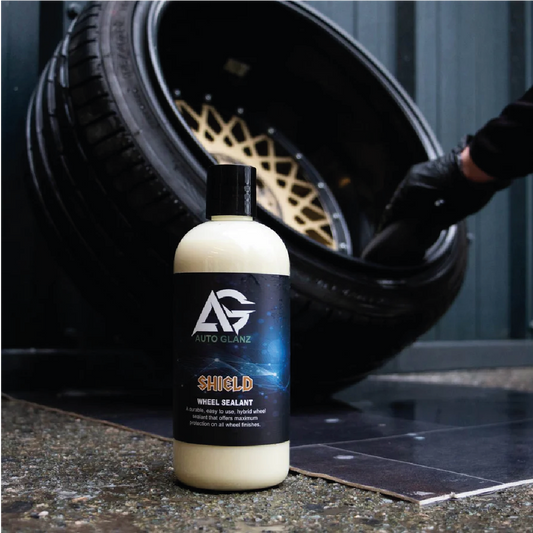
Auto Glanz wheel sealants have been developed for enthusiasts and professional detailers who want reliable protection without unnecessary complexity. Designed to repel brake dust, road grime and water while enhancing the appearance of alloy wheels, the range helps simplify maintenance and preserve wheel finishes over time.
Whether you're protecting freshly detailed wheels or maintaining a daily driven vehicle, Auto Glanz wheel sealants provide durable protection that keeps wheels cleaner, glossier and easier to maintain between washes.
Frequently Asked Questions
Disclaimer: This content has been created with the assistance of artificial intelligence. While every effort has been made to ensure the information is accurate and up to date, occasional inaccuracies or omissions may occur.

 Link label